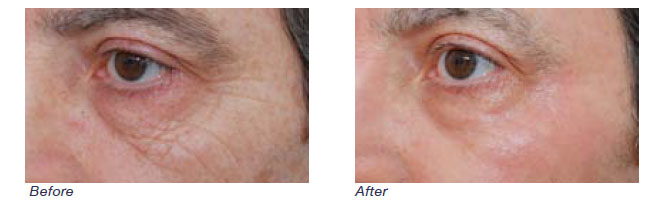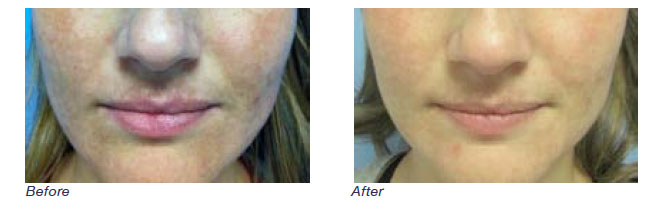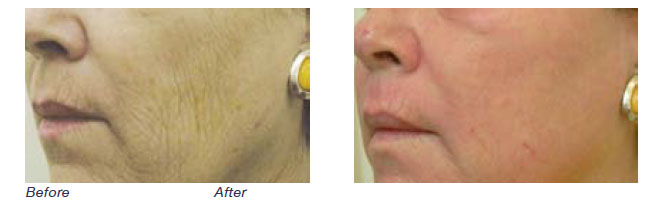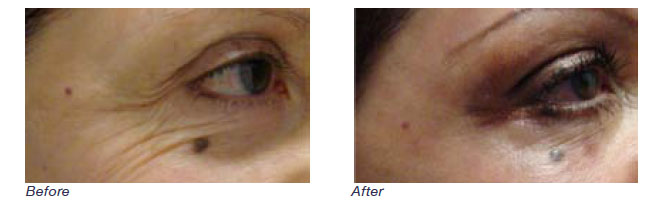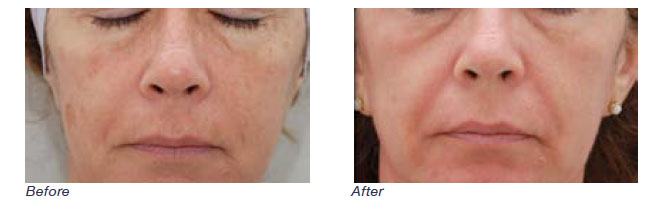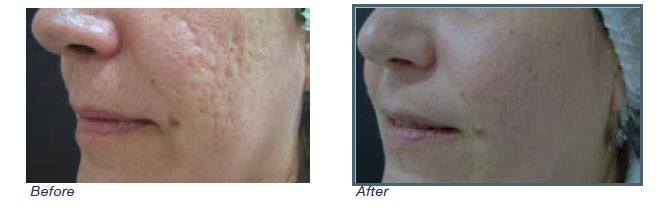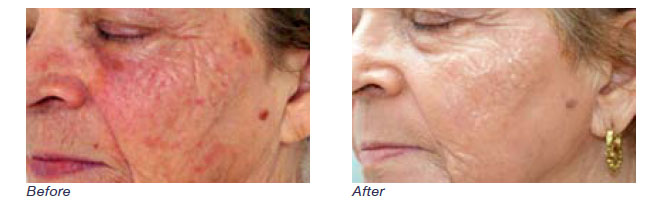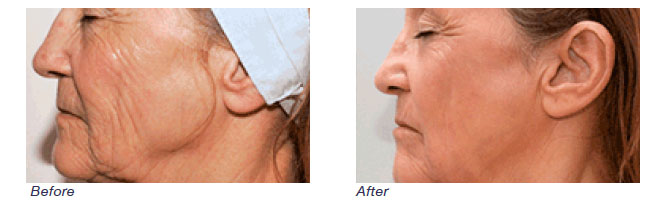
The Pixel CO2 laser can effectively address various skin imperfections, including:

  • Fine Lines and Wrinkles

  • Sun Damage (age spots, dark spots, uneven pigmentation)

  • Acne Scars and Traumatic Scars

  • Uneven Skin Texture and Rough Patches

  • Precancerous Lesions

  • Stretch Mark Removal

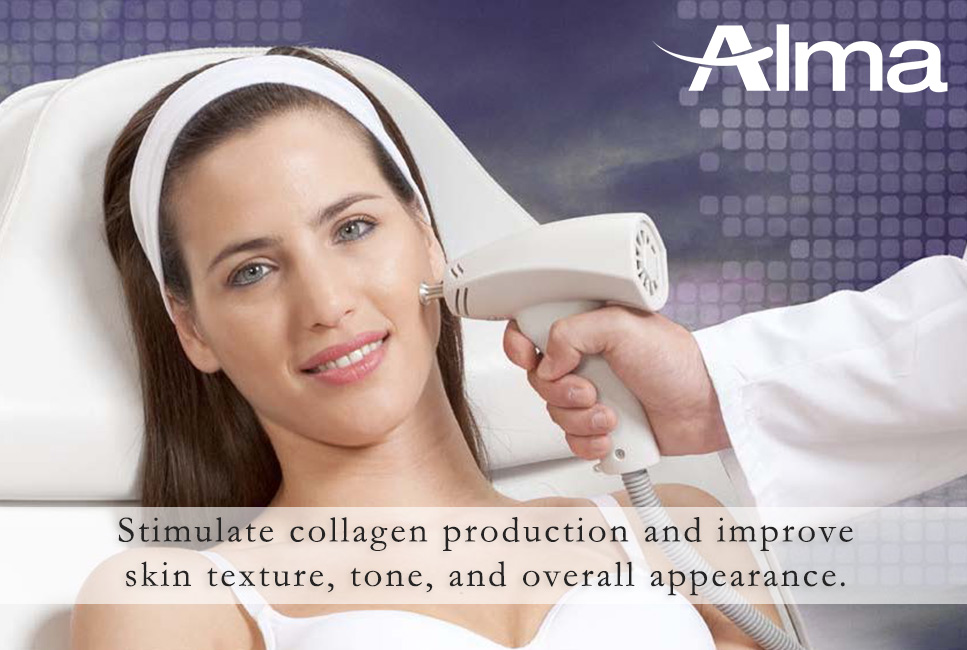
The Alma Pixel CO2 Laser is a fractional CO2 laser used for skin resurfacing and rejuvenation. It delivers laser energy in a pixelated pattern, creating tiny, controlled thermal channels in the skin to stimulate collagen production and improve skin texture, tone, and overall appearance. This fractional approach allows for faster healing compared to traditional ablative lasers.
Key features and benefits:

  • Fractional Technology: The laser creates microscopic columns of thermal damage in the skin, leaving surrounding tissue intact to promote faster healing.
  • Collagen Stimulation: Triggers the body’s natural healing response, boosting collagen and elastin production, which improves skin elasticity and reduces wrinkles and scars.
  • Versatility: Effective for treating a wide range of skin concerns, including wrinkles, fine lines, acne scars, uneven skin tone and texture, and sun damage.
  • Reduced Downtime: The fractional approach results in faster healing compared to traditional ablative lasers, with typically 5-7 days of downtime including redness, swelling, and crusting.

Pixel CO2 Laser Skin Rejuvenation and Resurfacing

FAQs

The Alma Pixel CO2 harnesses carbon dioxide (CO2) laser technology to address skin imperfections. In contrast to traditional ablative laser resurfacing, which removes the entire top skin layer, the Pixel CO2 employs a fractional approach, creating tiny, pixel-sized perforations while preserving surrounding tissue. This intact skin promotes quicker healing, and the wound healing process stimulates new collagen production, tissue regeneration, and the tightening of existing fibers.

Fractional treatment markedly lowers the risk of side effects like hypopigmentation, scarring, hyperpigmentation, infection, and prolonged redness. It also offers patients reduced recovery time and greater comfort compared to conventional resurfacing methods.

Healing takes between 5-7 days depending on the patient and the depth of treatment.
You should see results as soon as a couple of weeks after your skin heals and continued improvement over the next 3-6 months.
Right after the treatment, you might notice redness and a sensation similar to a sunburn. Swelling could also develop in the treated areas. Your provider will offer specific post-treatment care instructions, which may include pain relievers and applying an ointment to keep the skin hydrated.
We’ll give you suggestions for skincare products and guidance on their use. Post-procedure, your skin will be sensitive to ultraviolet light, so you should avoid direct sun exposure until completely healed. It’s advisable to consistently use sun protection to prevent sun damage and premature skin aging.

Before/After Photos